Entry · Ref MGAET9VU
Understanding the Mazda RX-7 S1: A Look at the First Generation Rotary
- Posted
- 2026-10-16
- Last amended
- 2026-10-16
- Account
- @mazdarx7s1press
The Beginning of a Legend
When Mazda launched the first generation of the RX-7, they introduced a vehicle that would define their engineering identity for decades. The Mazda RX-7 S1, known more precisely as the Mazda RX-7 Series 1, arrived in 1978 and immediately stood apart from the crowd. It was not just another sports car; it was a statement that the rotary engine could power something genuinely special. The car was light, nimble, and had a character all its own, partly because of the unique engine under the bonnet.
For those of us who have worked on these cars over the years, the Mazda RX-7 S1 represents a fascinating piece of engineering history. It is not as refined as later models, but it has a raw honesty that later versions sometimes lost. The first generation taught many mechanics and enthusiasts the quirks of the rotary design, and it remains a car that demands respect and understanding.
The Rotary Engine and Its Quirks
At the heart of the Mazda RX-7 S1 sits the rotary engine, a design that replaces the traditional piston and cylinder arrangement with a triangular rotor that spins inside a housing. This gives the engine a compact shape and a remarkably smooth power delivery. Instead of the up-and-down motion of a piston, the rotor rotates continuously, producing power in a way that feels almost turbine-like. The trade-off, however, is that the rotary engine has its own set of maintenance needs that differ from conventional engines.
One of the first things you notice when working on a rotary is the importance of the oil pump and the injector system. The engine relies on a metered oil injection to lubricate the rotor tips, and if that system is not working properly, you can damage the engine quickly. The coolant system is also critical because the rotor housing needs even temperature distribution to prevent warping. An exhaust manifold that is slightly out of spec can throw off the backpressure and change the engine's behavior entirely. These are not problems you see with a standard piston engine, so anyone moving from a traditional car to a Mazda RX-7 S1 has to learn a whole new set of diagnostic skills.
Where to Find Parts for a First Generation RX-7
Keeping a first generation RX-7 on the road today requires a good source of used parts. New OEM components are scarce, and aftermarket support varies widely. This is where a specialist wrecker becomes invaluable. In Melbourne, Just Rotaries has built a reputation as a go-to source for dismantling rotary-powered Mazdas and supplying the used parts that keep these cars running. Whether you need a transmission, a clutch assembly, or something as specific as a brake system component, a dedicated wrecker like this can save a car from being scrapped.
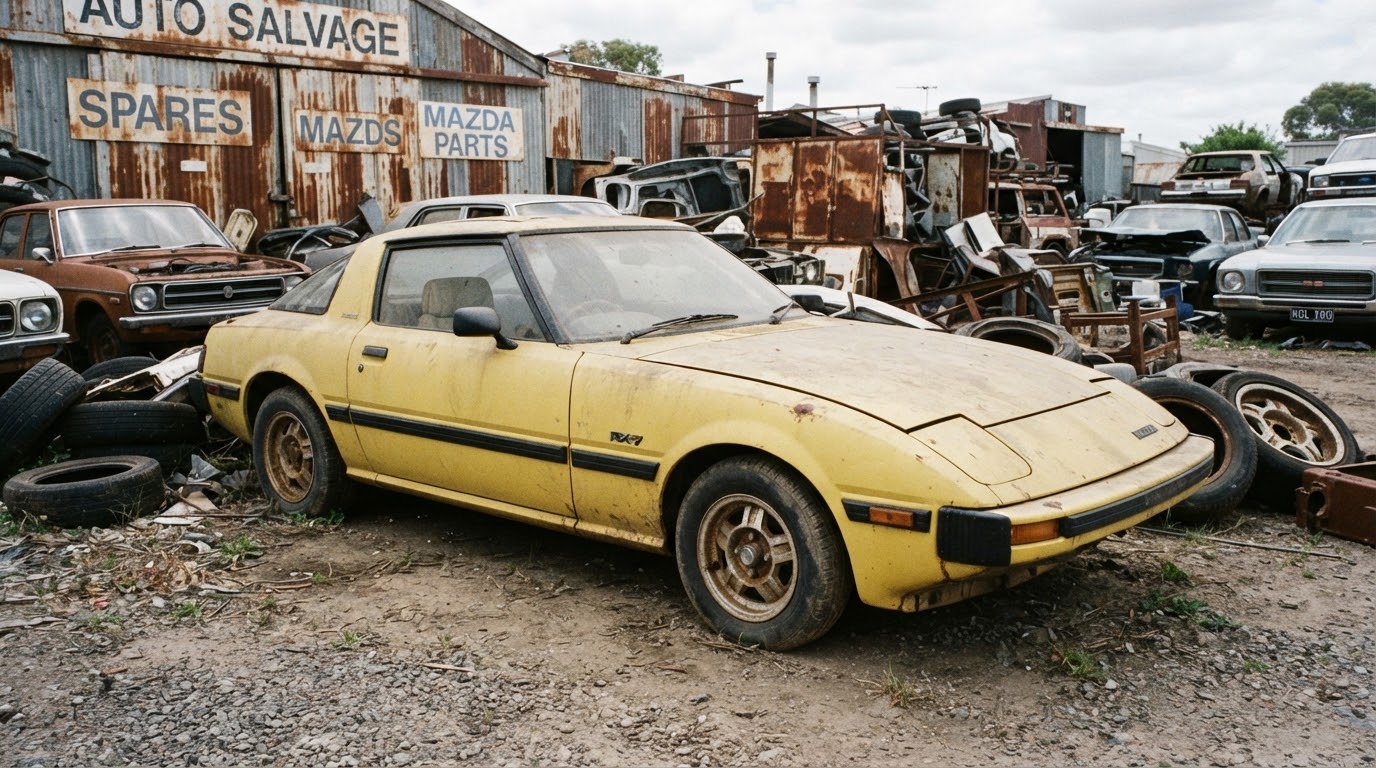
The beauty of dealing with a wrecker that understands rotaries is that they know which parts are interchangeable between models and which are unique to the Mazda RX-7 S1. For example, the suspension on the first generation is different from later RX-7s, and the steering wheel and column have their own quirks. Having someone who can tell you that a part from a later model will not fit without modification is worth its weight in gold. It saves time, money, and the frustration of ordering the wrong component.
Common Wear Items and Upgrades
Over the years, certain components on the Mazda RX-7 S1 tend to wear out or get upgraded by owners. The exhaust manifold is one of the first things people change, often to improve flow or to replace a cracked original. The injector system can also become clogged if the car has sat for a long time, leading to uneven fuel delivery. The oil pump is another critical item; if it starts to lose pressure, the engine can fail quickly.
The transmission and clutch on the first generation are robust for their time, but they are not designed for massive power increases. If you are planning to push the car harder, you need to consider strengthening these areas. The brake system on the Mazda RX-7 S1 is adequate for normal driving, but many owners upgrade to a more modern setup for better stopping power. The suspension is another area where age takes its toll; rubber bushings dry out, and the steering wheel can develop play in the column. All of these are manageable repairs if you have access to the right used parts.
Learning the Ropes with a Rotary
If you are new to the rotary world, the Mazda RX-7 S1 is a great place to start, but it will teach you patience. The engine is sensitive to maintenance schedules, and skipping a routine check can lead to expensive repairs. One of the most common mistakes is ignoring the condition of the rotor tips. These tips seal the rotor against the housing wall, and if they wear unevenly, you lose compression. A simple compression test can tell you a lot about the health of the engine.

Another area that catches people off guard is the coolant system. The rotary engine generates a lot of heat in a small space, and the cooling passages inside the rotor housing are narrow. If the coolant is not clean or if the system has air pockets, you can overheat a specific spot and warp the housing. That is a problem that often requires replacing the entire engine core, which is why maintaining the coolant system is so important. A good wrecker will have housings and rotors available, but it is better to avoid the damage in the first place.
Why the First Generation Still Matters
The Mazda RX-7 S1 is not the fastest or the most refined rotary car ever made, but it is the one that started it all. It introduced the world to the idea that a rotary engine could be practical and fun. For collectors and enthusiasts, owning a first generation RX-7 is about preserving a piece of automotive history. It is a car that rewards careful ownership and punishes neglect.
Working on these cars is a different experience from working on a conventional car. There is no piston to rebuild, no cylinder to hone. Instead, you deal with rotors, housings, and an oil injection system that has to be precisely calibrated. The skills you learn on a Mazda RX-7 S1 transfer to later rotary models, but the first generation has its own personality. It is more mechanical, more direct, and less electronic than anything that came after.
For anyone in Australia, finding support for this car is easier if you know where to look. Just Rotaries in Melbourne has been dismantling rotary Mazdas for years, and they understand what parts are needed to keep a first generation car alive. Whether you need a complete engine, a transmission, or something as small as a steering wheel, a specialist wrecker is the best resource. They have the experience to know which parts work and which do not, and that knowledge is just as valuable as the parts themselves.
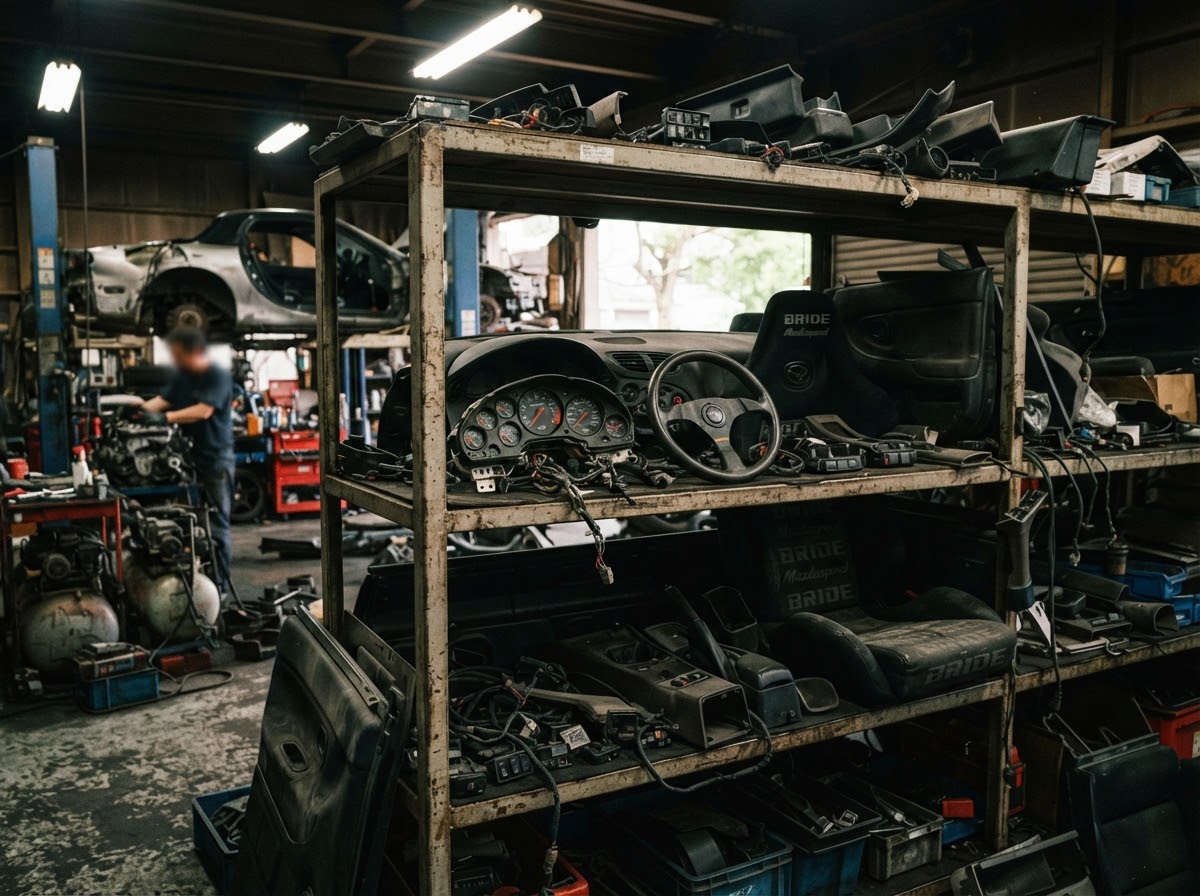
Final Thoughts on the First Generation
The Mazda RX-7 S1 is a car that demands a certain kind of owner. It is not a car you can ignore for months and then expect to start without a fight. But if you give it the attention it needs, it rewards you with a driving experience that is unlike anything else. The rotary engine hums, the lightweight body handles beautifully, and the design has a timeless quality that still turns heads.
Whether you are restoring one, maintaining one, or just learning about them, the first generation RX-7 is a worthwhile subject. It teaches you about engineering trade-offs, about the importance of a good parts supply, and about the passion that keeps old cars on the road. The community around these cars is strong, and resources like Just Rotaries help ensure that the first generation will be around for years to come.